
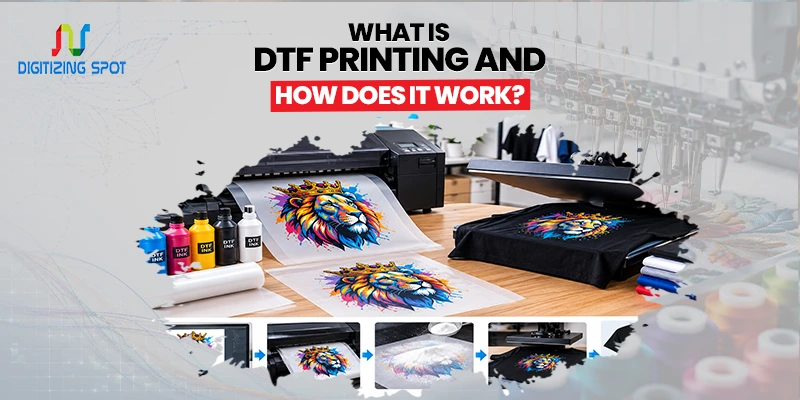
What Is DTF Printing and How Does It Work?
Custom apparel needs more than a good design. The printing method also affects how the final product looks and feels. DTF printing has become a popular choice for custom T-shirts, hoodies, uniforms, and promotional clothing. It can produce bright colors and detailed designs on many fabrics. But what does DTF mean? How does the process work? In this guide, we explain DTF printing, the steps involved, its main benefits, and what makes it useful for custom apparel.
What Is DTF Printing?
DTF stands for Direct-to-Film printing. It is a printing method where artwork is printed onto a special film before being transferred to fabric. Unlike direct-to-garment printing, the design does not go directly onto the shirt. It is first printed on film and then applied using a heat press.
DTF printing uses colored ink and white ink. The white layer helps the design remain bright, especially on dark garments. An adhesive powder is also used during the process. When heated, the powder helps the printed design bond with the fabric. If you want clean, stitch-ready embroidery files, consider our custom digitizing service.
How Does DTF Printing Work?
The DTF process has several basic steps, starting with the artwork.
1. Prepare the Artwork
The process begins with a digital design. The artwork should have good resolution and the correct size for the garment. Colors, edges, text, and transparent areas should also be checked before printing. A clean artwork file helps produce a cleaner transfer.
Order Your Custom Patch Now!
2. Print the Design on Film
The artwork is printed onto special DTF transfer film. The printer applies the colored inks first. White ink is then printed as a backing layer. This white layer helps the colors appear clearly when the design is transferred to the fabric.
3. Apply Adhesive Powder
After printing, hot-melt adhesive powder is applied to the wet ink. The powder sticks to the printed areas. It helps the design bond with the garment during heat pressing. The powder must be applied evenly. Too much or too little can affect the final transfer.
4. Cure the Transfer
The printed film is heated to cure the adhesive powder. This prepares the transfer for application. Proper curing is important because the adhesive needs to bond correctly.
5. Heat Press the Design
The finished transfer is placed on the garment. A heat press applies the required heat and pressure. This moves the design from the film onto the fabric. The temperature, pressure, and pressing time depend on the transfer and garment material.
6. Remove the Film
After pressing, the film is removed according to the required application method. The design remains attached to the fabric. The result is a colorful printed design ready for use.
What Materials Are Used for DTF Printing?
The type of file needed depends on the project and printing method. Vector files such as AI, EPS, and PDF are often useful for color separation. They can usually be resized without losing image quality.
What Fabrics Can DTF Printing Be Used On?
One major benefit of DTF printing is its fabric flexibility. It can be used on materials such as cotton, polyester, and many fabric blends. This makes DTF useful for T-shirts, sweatshirts, hoodies, tote bags, uniforms, and other apparel.
However, different fabrics can react differently to heat. Always check the recommended pressing settings before production. If you want vibrant, detailed designs for custom apparel, consider our DTF transfer service.
Why Is DTF Printing Popular?
DTF printing is useful for businesses that need colorful and detailed custom apparel. It can handle artwork with multiple colors, gradients, small details, and fine text. It is also suitable for small and medium-sized orders. Businesses can create custom products without always needing a large production quantity.
Another benefit is design flexibility. A business can use different designs on different garments without changing the basic printing process. This makes DTF useful for clothing brands, sports teams, small businesses, events, and promotional products.
DTF Printing vs Screen Printing
DTF and screen printing use different methods. Screen printing applies ink directly to the garment through a prepared screen. It is often used for larger orders, especially when designs have fewer colors.
DTF prints the artwork onto film before transferring it to the fabric. For detailed, colorful artwork and smaller custom orders, DTF can be a practical choice. Screen printing may be suitable for large runs with simpler designs. The right method depends on the artwork, fabric, quantity, and project requirements.
DTF Printing vs DTG Printing
DTF and DTG are both digital printing methods, but they work differently. DTG means Direct-to-Garment. It prints the artwork directly onto the fabric. DTF means Direct-to-Film. It prints the artwork onto film first and then transfers it to the garment.
DTF can work with a wider range of fabrics and is useful when businesses want to prepare transfers before applying them. DTG may be preferred for certain garments and designs where direct printing is the better fit. The choice should be based on the fabric, artwork, quantity, and desired finish.
Need Help To Create Custom Patch Right Now!
What Are the Main Benefits of DTF Printing?
DTF printing offers several practical benefits for custom apparel. It produces bright colors and can reproduce detailed artwork. This makes it suitable for logos, illustrations, photographs, and complex designs.
It also works with many common fabric types. This gives businesses more options when choosing garments.cDTF is also useful for smaller orders. A business can produce custom products without committing to a very large quantity.
For personalized apparel, DTF can handle different names, numbers, and designs when the artwork is prepared correctly. If you want sharp, scalable artwork for printing, consider our vector conversion service.
Is DTF Printing Durable?
The durability of a DTF print depends on the quality of the transfer and application process. Ink, adhesive powder, fabric, heat, pressure, and pressing time can all affect the final result.
Properly produced transfers can provide good durability when applied correctly. Garment care also matters. Following the recommended washing instructions can help protect the printed design over time.
Get DTF Artwork Support From Digitizing Spot
A quality print starts with quality artwork. Digitizing Spot provides artwork and digitizing services for businesses that need files prepared for custom printing and apparel projects.
Our team focuses on quality work, clear communication, and fast turnaround. We can help prepare your artwork so it is ready for DTF printing. Contact Digitizing Spot today to get a free quote for your project.
Get A Custom Quote
Frequently Asked Questions
DTF means Direct-to-Film printing. The design is printed on film and then transferred to fabric.
The design is printed on film, coated with adhesive powder, cured, and transferred to fabric with a heat press.
Yes. White ink creates a base that helps colors appear clearly on dark garments.
DTF can be used on cotton, polyester, blends, and other suitable fabrics.
Yes. DTF can reproduce detailed artwork, small text, gradients, and multiple colors.
Yes. DTF can be practical for small and medium custom apparel orders.
DTF prints on film before transfer, while DTG prints directly onto the garment.
DTF uses a printed transfer film, while screen printing applies ink through a screen.
Yes. A heat press is used to transfer the design from the film to the garment.
Yes. Digitizing Spot can prepare artwork for DTF printing and other custom apparel projects.
